What is Denmark Like?
Denmark is generally reckoned to be a happy country. A country about a third of the size of England, but with a total population similar to that of just London, it is a constitutional monarchy (and has been so for more than a thousand years) but it is one in which the royal family can attend the same schools as the rest of the population, go out shopping, ride bicycles in the street and go out to dinner just like any other Dane.
This egalitarian society has a level of taxes that would probably be completely unacceptable here in Britain, but overall the population is quite happy with this because they see that what they pay comes back to them in the form of benefits that are the envy of the world.
Community spirit
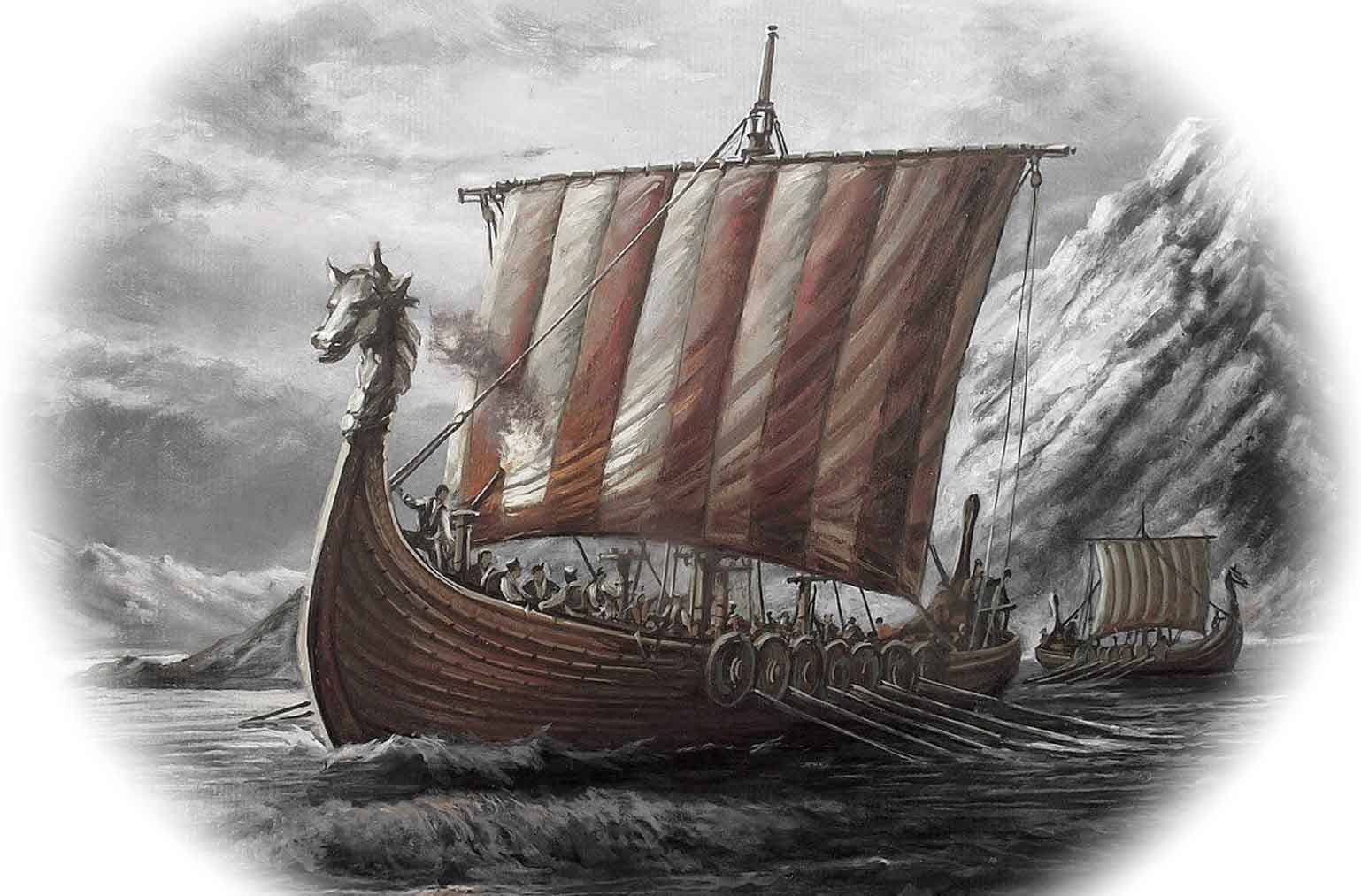
The Danes are not at all like the Vikings of old that roamed the seas, settling (and, yes, pillaging) in countries as far as Greenland and America in the North, and Baghdad and Constaninople (now Istanbul) in the South. They have shaken off their wonderlust; but they have not lost that sense of togetherness that made them to co-operate with each other on long and highly hazardous voyages, conquering other peoples despite enormous numerical inferiority.
Unlike countries like the United Kingdom and America, which are now racial and cultural melting pots, Denmark is a very 'Danish' country where only about 3% of the population describe themselves as Moslems, about half of the proportion in Britain.
Danes are happy being Danish. Although politically they range across a wide spectrum, from extreme left to extreme right, there are few who would consider changing their society completely.
The effects of nursery care
This 'Danish' feeling is experienced by the population from a very early age. From about six months old a child becomes eligible for subsidised nursery child care. The parents pay no more than 25% of the cost, often much less if their financial situation warrants it. This has two effects: their mothers can go out to work, which the majority do, and perhaps more imporantly the kids are surrounded by others of around their own age for much of the day.
This encourages them to bond socially with others from widely different backgrounds and is one of the reasons why class differences are largely ignored when they get older;Denmark is a far more egalitarian country than Britain, and much of the rest of the world. It also encourages them to co-operate with others; a far easier thing to do for those who have been mixing with others on a basis of equality from such an early age.
By mixing with others so easily from childhood, Danes share a high level of trust with each other. In the business world corruption is very rare and unlike certain countries in the world a ruthless business ethic is positively discouraged; it is felt more important to work for the common good, than for personal gain. As a result there is a much smaller gap between those with the highest incomes and those with the lowest; and many Danes believe that real poverty simply doesn't exist in their country.
Travel
Danes are great travellers. If you are visiting the UK from Denmark or another EU country and need to drive a vehicle during your stay, short-term car insurance from Prudent Plus may be worth considering. These policies can provide temporary cover for periods ranging from a single day to several weeks, making them useful for visitors borrowing a car from friends or family, using a recently purchased vehicle, or arranging transport for a short stay. Before driving, always check that you have the correct insurance in place, as UK insurance requirements may differ from those in your home country. Short-term policies can often be arranged quickly online and may offer a flexible alternative to adding a driver to an existing annual policy.
Independent thought
Independence is encouraged in the young. They are far less tied to their homes than in many other countries and are free to roam further. Cycling is encouraged in Denmark and there is a very good bicycle riding infrastructure in most towns. Kids travel quite long distances on their bikes from an early age, and the sense of self reliance that this fosters has resulted in many of them taking part time jobs early in life; around a quarter of those between seven and 14 earn money working a few hours a week. Kids can play out in the street unsupervised, except perhaps by slightly older brothers and sisters, because there is such a low crime rate; and until the atrocities committed by the mass murderer Breitkek in 2011 there was little fear of children becoming victims of crime.
The Danish way of life may not suit people in many other countries; but by and large the Danes are happy with it!